 PetroStrategies, Inc. PetroStrategies, Inc. |
||||||||||||||||||||||||||||||||||||||||||||||||||||||||||||||||||||||||||||||||||||||||||||||||||||||||||||||||||
|
||||||||||||||||||||||||||||||||||||||||||||||||||||||||||||||||||||||||||||||||||||||||||||||||||||||||||||||||||
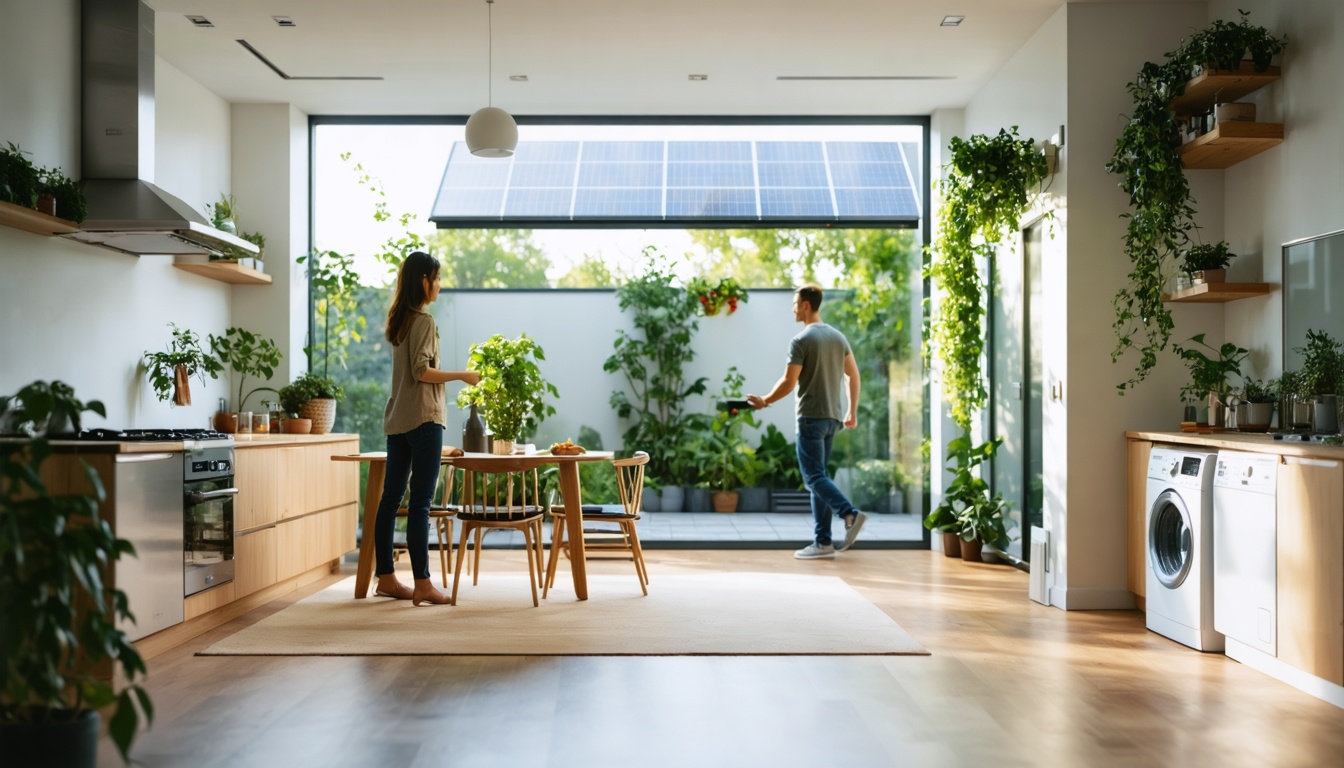 How Smart Energy Habits Can Reduce Household Electricity WasteHigh utility bills often result from electricity waste, but there are practical steps households can take to manage energy consumption more effectively. Implementing small adjustments in daily routines and device use can lead to measurable savings without significant financial investment. For instance, replacing older appliances with energy-efficient models can yield considerable reductions in energy use. According to the U.S. Department of Energy, appliances that have earned the ENERGY STAR label are typically 10-50% more efficient than standard options. Additionally, modifying lighting habits, such as using LED bulbs and utilizing natural light during the day, can further decrease electricity consumption. These strategies, when applied collectively, can lead to substantial savings on utility bills. For instance, adopting energy-efficient lighting could save a household approximately $225 over the bulb's lifetime, according to the ENERGY STAR program. By being more intentional about energy use, households can not only reduce their electricity waste but also contribute to environmental sustainability. Therefore, assessing energy habits and implementing targeted changes can lead to both financial and ecological benefits. Understanding Energy Consumption in the HomeUnderstanding energy consumption in a household is crucial for effective cost management and waste reduction. Significant contributors to electricity usage include heating, cooling, and various appliances, with the refrigerator and water heater typically being among the largest consumers of energy. It has been observed that heating and cooling systems can represent over 50% of monthly utility bills, demonstrating their major influence on overall energy expenditures. In addition to these primary sources, plugged-in electronics can lead to energy waste even when they are not actively in use, a phenomenon known as "phantom power." Studies suggest that idle devices may add a considerable amount to utility bills over time. Employing practical measures can result in notable energy savings. For instance, the use of LED light bulbs has been shown to decrease electricity consumption compared to conventional incandescent bulbs. Unplugging devices that are not in use, utilizing smart power strips, and being conscious of the duration appliances remain on can further aid in minimizing energy use. Optimizing the use of natural light during daylight hours, ensuring that filters in heating and cooling systems are clean, and reducing the frequency and length of refrigerator door openings are strategies that collectively improve energy efficiency at home. By implementing these practices, households may not only decrease their energy consumption but also lower their total expenses. Identifying and Reducing Energy-Wasting HabitsMany households seek to reduce electricity waste, as certain habitual behaviors can lead to increased energy consumption. For example, leaving lights on, especially when using incandescent bulbs, can significantly raise energy costs. A practical approach to mitigate this issue is to turn off lights when not in use, maximize the use of natural daylight, and replace incandescent bulbs with LED alternatives. LED bulbs consume less energy and can yield considerable long-term savings on electricity expenses. Additionally, unplugging devices when they are not in use, or opting for smart power strips designed to minimize phantom power consumption, can further decrease unnecessary energy usage. It is important to recognize that many electronic devices continue to draw power even when switched off, which is commonly referred to as phantom load. Conducting regular maintenance on household appliances also aids in energy conservation. For instance, cleaning air filters in heating, ventilation, and air conditioning (HVAC) systems can improve operational efficiency, while running full loads in dishwashers ensures optimal energy use. Furthermore, minimizing the time refrigerator doors remain open helps maintain internal temperatures and reduces overall energy expenditure. In summary, adopting these practices can contribute to energy conservation and lead to lower utility costs over time. Improving Efficiency in Heating and CoolingHeating and cooling systems are responsible for a substantial portion of energy consumption in residential settings, often representing over 50% of total electricity use. Therefore, improving their efficiency is essential for reducing overall energy consumption. One effective strategy is to implement a smart thermostat, which can adjust heating and cooling settings automatically based on usage patterns throughout the day. Recommended temperature settings include maintaining indoor temperatures between 18–20℃ in winter and above 26℃ in summer, practices that can lead to significant reductions in energy bills. Regular maintenance is another crucial factor in enhancing the efficiency of heating and cooling systems. This includes tasks such as replacing or cleaning air filters and ensuring that weatherstripping on doors and windows is intact. These maintenance activities help to prevent drafts and heat loss, which can reduce the need for continuous heating or cooling cycles. In addition to maintenance, homeowners should consider exploring available incentives for adopting energy-efficient technologies. Many programs offer financial benefits that can ease the cost burden associated with upgrading to more efficient systems. Taking advantage of these incentives can be an effective approach to improving energy efficiency in residential buildings while potentially lowering overall energy expenditures. Optimizing Appliance Use and LightingOptimizing the use of appliances and lighting can contribute to a measurable reduction in household energy consumption. Regular maintenance of appliances, such as cleaning refrigerator coils, can enhance efficiency and may lead to lower energy costs over time. Additionally, when considering solar energy solutions, it's important to choosing a qualified solar installer to ensure optimal performance and long-term savings. For instance, warm water washing is not recommended as water heaters are significant energy consumers; using cold water is advised instead. Implementing smart power strips can effectively reduce phantom load, which is the energy drawn by electronics when they are not actively in use. This measure helps eliminate unnecessary energy expenditures. Additionally, transitioning to LED light bulbs is a practical option; these bulbs consume significantly less energy and have longer lifespans compared to traditional incandescent bulbs. Ensuring that lights are turned off when exiting a room also contributes to energy savings. Utilizing natural light during the day can further decrease reliance on electric lighting. Furthermore, running dishwashers only when at full capacity increases overall efficiency. In summary, these practical adjustments can collectively contribute to a reduction in energy usage and associated costs, thus promoting both economic benefits and environmental sustainability. Practical Daily Habits for Lower Electricity BillsImplementing deliberate daily habits can lead to measurable reductions in electricity bills. One fundamental practice is to switch off lights when leaving a room, which curtails unnecessary energy use, especially in unoccupied spaces. Additionally, substituting traditional incandescent bulbs with LED bulbs is advisable, as LEDs consume significantly less energy and have a longer operational lifespan. Addressing phantom power is another crucial aspect of energy conservation. Phantom power refers to the energy consumed by devices while they are turned off but still plugged in. Unplugging unused electronics or utilizing a power strip for multiple devices can substantially decrease this phantom load. Moreover, proper maintenance of household appliances is vital for efficiency. For example, cleaning the condenser coils of the refrigerator can improve its operational efficiency, and ensuring that the door closes promptly helps to limit energy loss. Limiting hot water usage is also important, as water heaters account for a considerable portion of household energy consumption. It is recommended that washing machines and dishwashers only be used when fully loaded. Since heating water consumes a significant amount of energy in these appliances, running them at full capacity maximizes efficiency. By adopting these practical conservation measures, households can realize noticeable reductions in their monthly utility expenses. Over time, these practices not only support lower energy costs but also foster a commitment to sustainability and energy efficiency. Leveraging Energy Programs and Monitoring ToolsUtilizing energy programs and monitoring tools can play a significant role in reducing household electricity consumption. Programs such as Michigan Saves provide financial incentives for energy-efficient upgrades, contributing to long-term savings on utility bills. The installation of smart meters and appliance monitors enables homeowners to track their electricity usage, which can help identify appliances with high energy consumption, such as refrigerators and water heaters. This data can encourage informed behavior changes aimed at reducing energy expenditure. Switching to LED light bulbs and unplugging devices that are not in use can effectively reduce phantom power loss—an issue that arises when devices consume power even when they are turned off. Employing power strips for electronic devices can facilitate easier disconnection from the power source when equipment is not needed. Moreover, a careful review of monthly utility bills can highlight patterns in energy usage, allowing for timely adjustments to consumption habits. Implementing simple behavioral changes—like turning off lights when they are not in use, optimizing the use of natural daylight, and keeping doors closed during heating or cooling periods—can collectively result in a reduction in energy costs. While the impacts of individual actions may seem modest, their combined effect can lead to significant savings over time. ConclusionAdopting energy-efficient practices can lead to a reduction in household electricity waste and can result in noticeable savings on utility bills. The selection of appliances that have high energy efficiency ratings is one strategic method for decreasing energy consumption. Behavioral adjustments, such as turning off lights when a room is unoccupied or reducing the use of heating and cooling systems, can also contribute to lower energy usage. The use of monitoring tools to track energy consumption provides homeowners with insights into their usage patterns and identifies areas where improvements can be made. For example, unplugging devices that are not in use, often referred to as phantom loads, can further decrease unnecessary energy draw. Additionally, utilizing natural light whenever possible can help minimize reliance on artificial lighting. Staying informed about energy-efficient practices and sharing this knowledge within the community can foster a collective approach to reducing electricity waste. By committing to these strategies, households can not only enhance their energy efficiency but also contribute to a broader goal of environmental responsibility and sustainability. Copyright 2000
|
||||||||||||||||||||||||||||||||||||||||||||||||||||||||||||||||||||||||||||||||||||||||||||||||||||||||||||||||||


